
Which brow technique suits your skin?
I am Alaa Al Masri, a permanent makeup artist from Jordan, working in Abdoun, Amman since 2013. Choosing a technique does not depend on price or on what you saw on someone else — it depends on two things: your skin type, and whether your brow already carries previous work. This guide settles both.
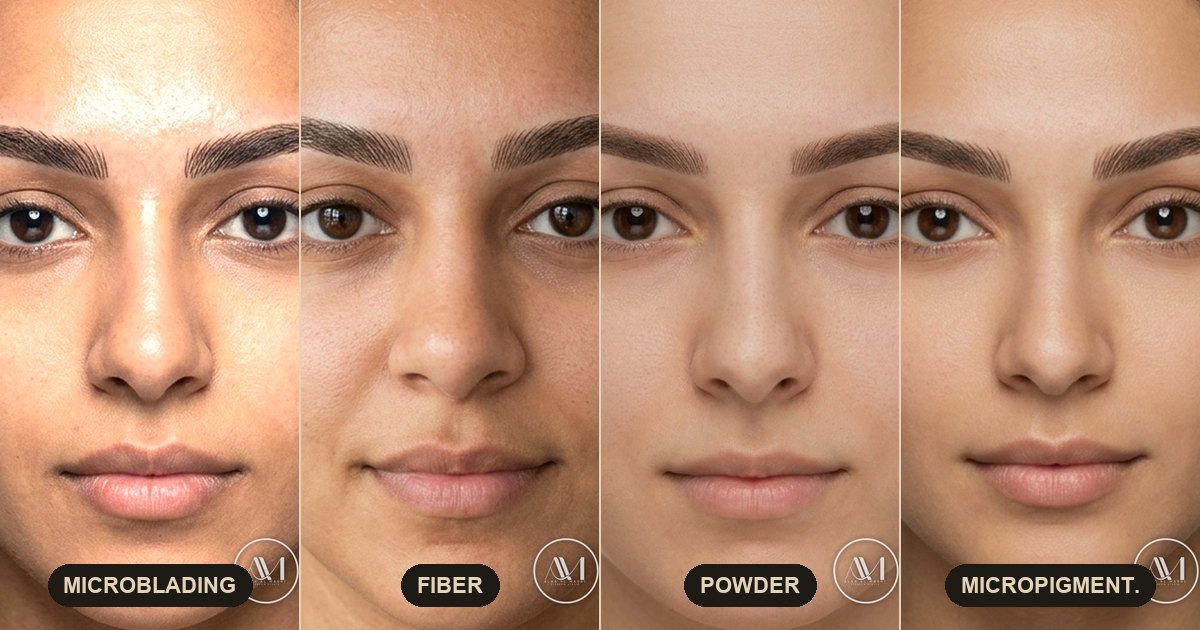
This guide is built on what I see in the studio every day, not on translated articles. I am Alaa Al Masri, a permanent makeup artist from Jordan, working in Abdoun, Amman since 2013. Here is a straight answer to the question every booking starts with: which technique suits your skin?
The rule that settles everything
Choosing a technique does not depend on taste or price. It depends on two things only:
- Your skin type — oily, combination, normal or dry.
- Any previous work on the brow — an old tattoo, microblading, any procedure.
These two questions remove half the options before we begin. Everything else is detail.
Decision table: which technique is yours?
| Your case | The technique | Lasts | Price |
|---|---|---|---|
| Normal or dry skin, no previous work | Microblading or nanoblading | 3–9 months | 180 |
| Oily or combination skin | Fiber technique or micropigmentation | 1–3 years | 250 / 200 |
| Very oily skin, large pores | Powder brows | 1 year | 150 |
| Light previous work on the brow | Micropigmentation to correct | 1–2 years | 200 |
| Dark or shifted previous work | Removal first, then decide | — | 75 per session |
| You want the most natural look | Fiber technique | 1–3 years | 250 |
Prices in Jordanian dinars; brow removal is priced per session.
A correction: what magazines say about oily skin
You will read in many articles that "microblading suits all skin types, from dry to oily." That is not accurate, and it is the single biggest cause of regret.
The reason is physical, not a matter of opinion: microblading draws an extremely fine line, about the thickness of a real hair. Oily skin produces sebum continuously from larger glands with wider pores, pushing pigment out and spreading the line until it loses its edge and reads as a faded patch. It looks excellent for two weeks, then declines quickly.
This does not mean oily skin is excluded from the hairstroke look — it needs a different technique to create it. The full explanation →
The six brow techniques
1. Microblading
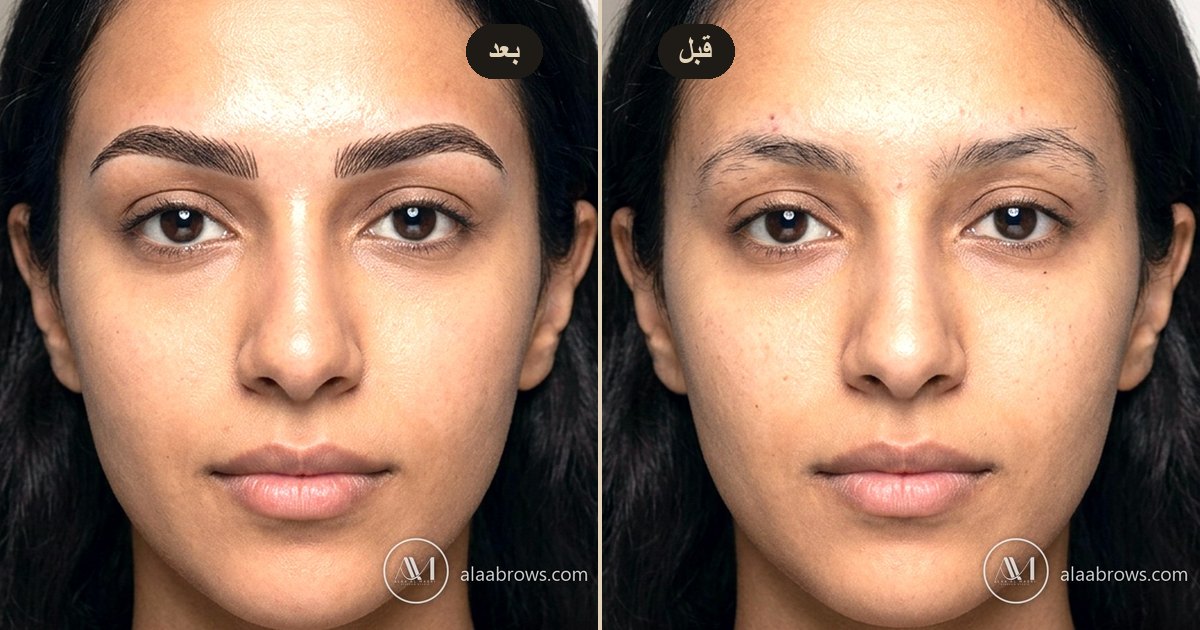
Drawn by hand with a fine blade, creating strokes that follow the direction of natural hair. The most realistic hairstroke look, and the shortest lasting.
Suits: normal to dry skin with no previous work. Does not suit: oily or combination skin, or a brow with previous work.
2. Nanoblading
The same strokes but with a machine and a nano needle instead of a blade: a finer line, less trauma, faster healing. Its limits are the same as microblading's — because a fine line is still a fine line.
3. Fiber technique — the closest to natural
Fine hairstrokes drawn one by one, each following the direction the hair grows in that spot. It is the closest to natural and the longest lasting, and it suits every skin type including oily. I learned it in Vietnam at its source, and I still travel there every year for advanced training.
The full fiber technique guide →
4. Micropigmentation
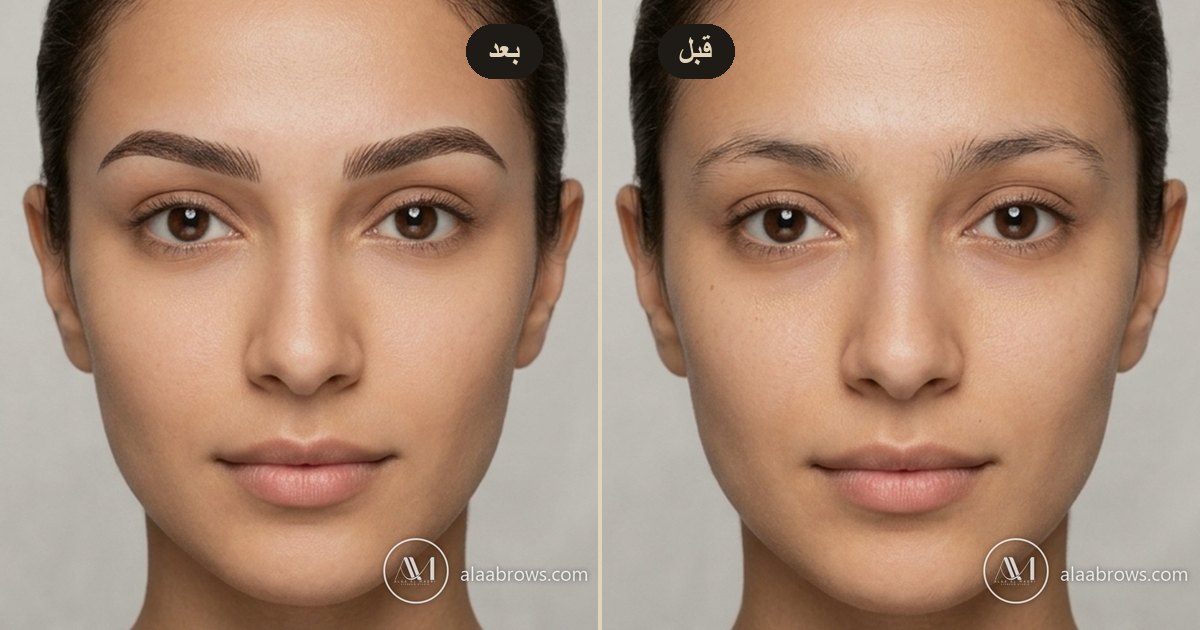
Pigment implanted with a precision machine at a density set to your preference — there is a full article on it here. It suits every skin type and is the only technique that can correct over previous work without removal, provided the old colour is light.
5. Powder brows
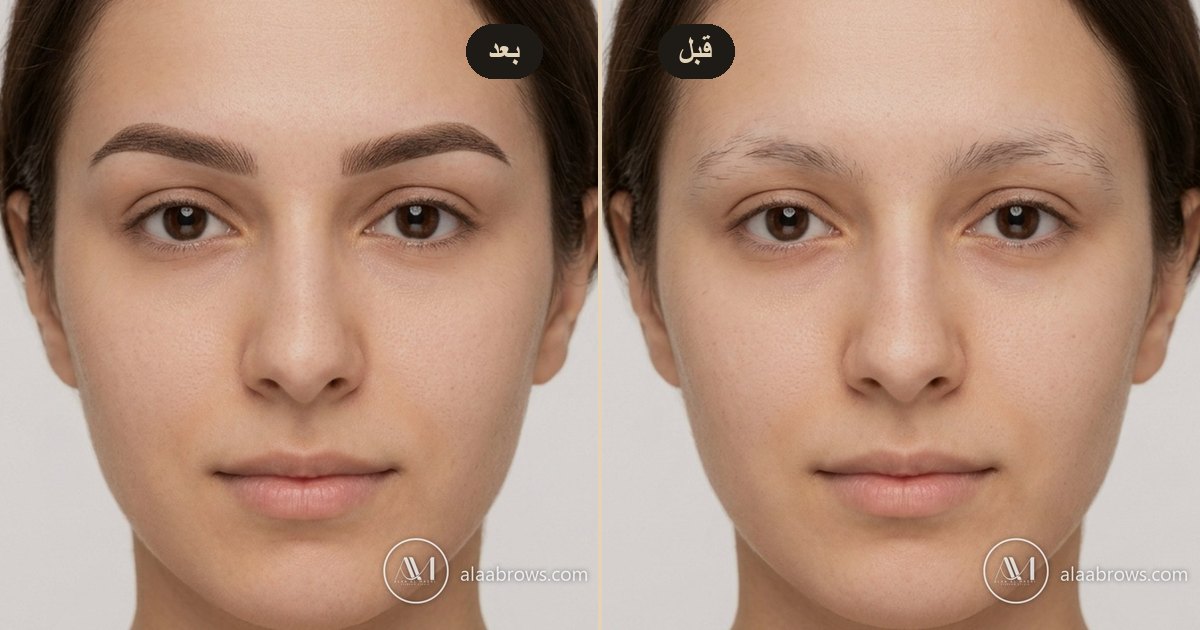
Soft graduated shading that looks like brow makeup but stays. The first choice for very oily skin and large pores, because it does not rely on a fine line that can spread.
6. Brow removal
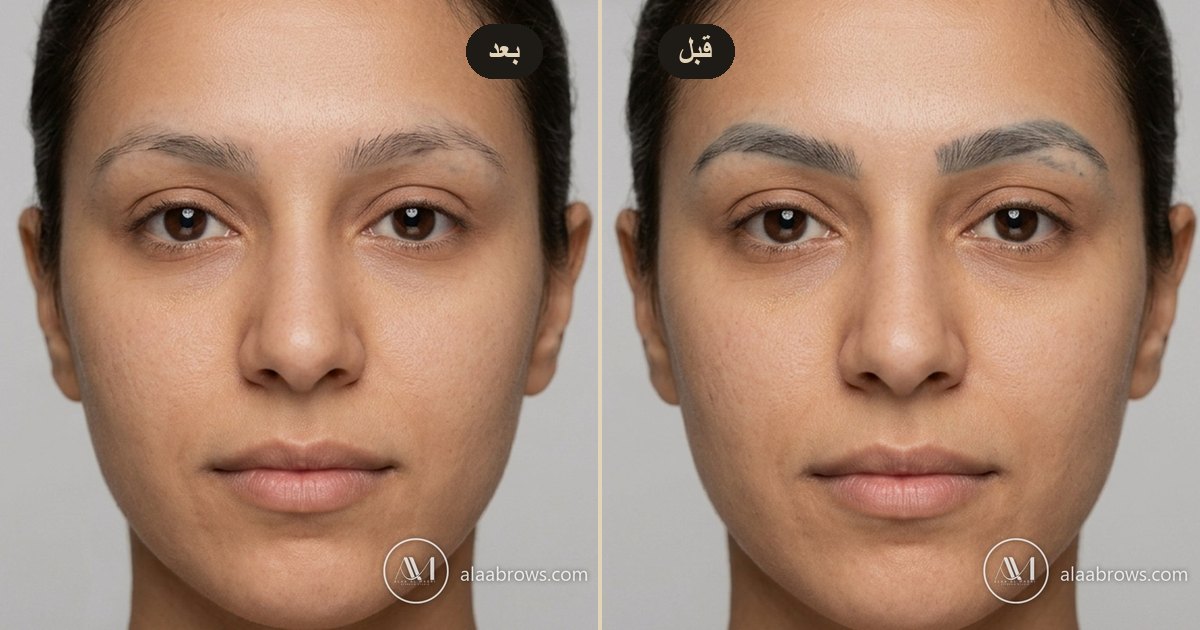
Lightening previous work that has shifted blue or red, or whose shape is uneven. It usually takes more than one session, priced per session.
Why do the lifespans differ so much?
Not because of pigment quality, but because of its shape under the skin. A fine line that loses a third of its density loses its definition. Machine techniques build colour with no incision to heal, so the shape still reads for longer. That is why machine techniques last twice as long as microblading, or more.
How long each technique lasts →
Questions to ask before booking — with any artist
- What is my skin type, and which technique suits it? Anyone who answers "all of them suit you" has not examined your skin.
- How long will it actually last? The answer differs enormously between techniques.
- Will I see and approve the shape before you begin? Mapping always comes before the first stroke.
- What if the technique does not suit me? The artist who sometimes says no is the one you can trust.
What happens in the consultation?
I check your skin type and any previous work, then draw the shape measured against your features. I do not begin until you see it in the mirror and agree. And if the technique you came for does not suit your skin, I say so plainly and explain the alternative — even when the alternative costs less.
Have a question about your own brows?
A consultation settles which technique suits your skin and your face — no general rule fits everyone.