
Brow Micropigmentation: What It Is and Who It Suits
Micropigmentation is not another version of microblading. The difference between them lies in what happens under the skin — and that difference alone decides which one suits yours.
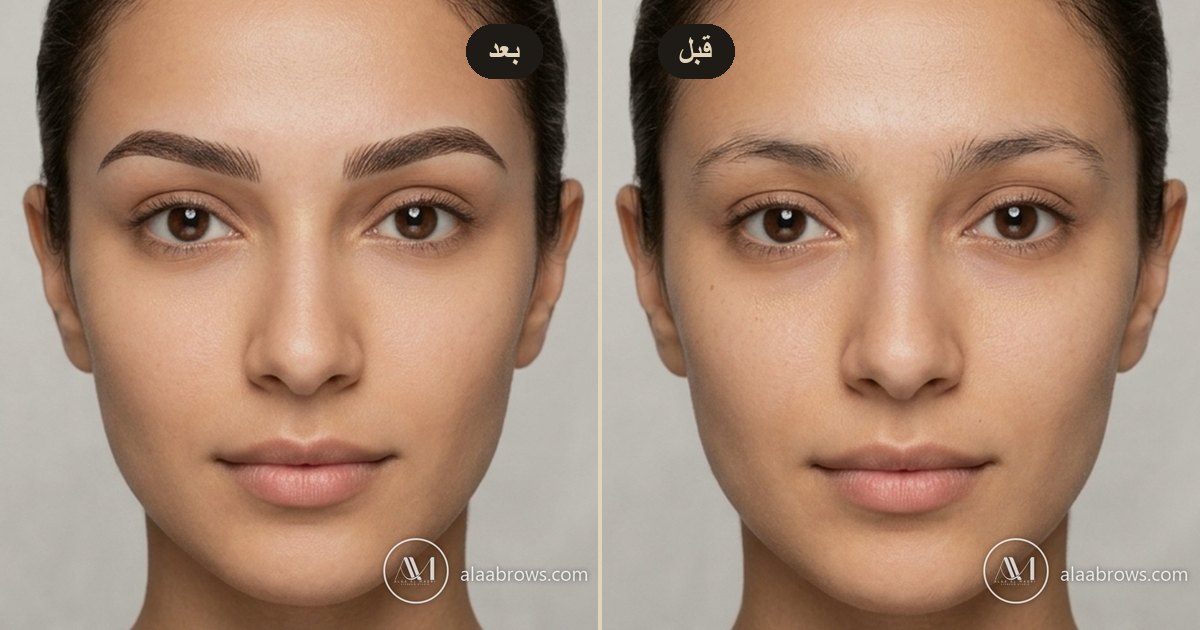
I am Alaa Al Masri, a permanent makeup artist from Jordan and the owner of the brow studio in Abdoun, Amman. I have worked in permanent makeup since 2013, after years of portrait drawing for which I received a drawing certificate from the Arab Artists Exhibition and a medal from the Greater Amman Municipality, and I trained in Ukraine, Serbia and Vietnam. Every photograph on this page is my own work, shared with my clients' permission.
Micropigmentation is the technique I am asked about most after microblading, and the one most often misunderstood. This article explains it without exaggeration: what it is, who it suits, and when I advise against it.
What is brow micropigmentation?
Micropigmentation deposits pigment into the upper layer of the skin using a precision machine, as very closely spaced points built up layer by layer until a graded density forms. The result is a full, clearly defined brow — closer to a carefully drawn brow than to individual hairs.
The essential difference from microblading is not in the look, but in what happens under the skin:
- Microblading is manual work with a blade that makes an extremely fine incision resembling a hair, into which the pigment settles. Its success depends on that incision healing clean and defined.
- Micropigmentation does not cut the skin. It deposits pigment point by point with a fine needle driven by a machine. No incision means no risk of its edges spreading.
That single technical difference explains everything that follows: why it works on skin types microblading cannot serve, why it lasts longer, and why it is used over previous work.
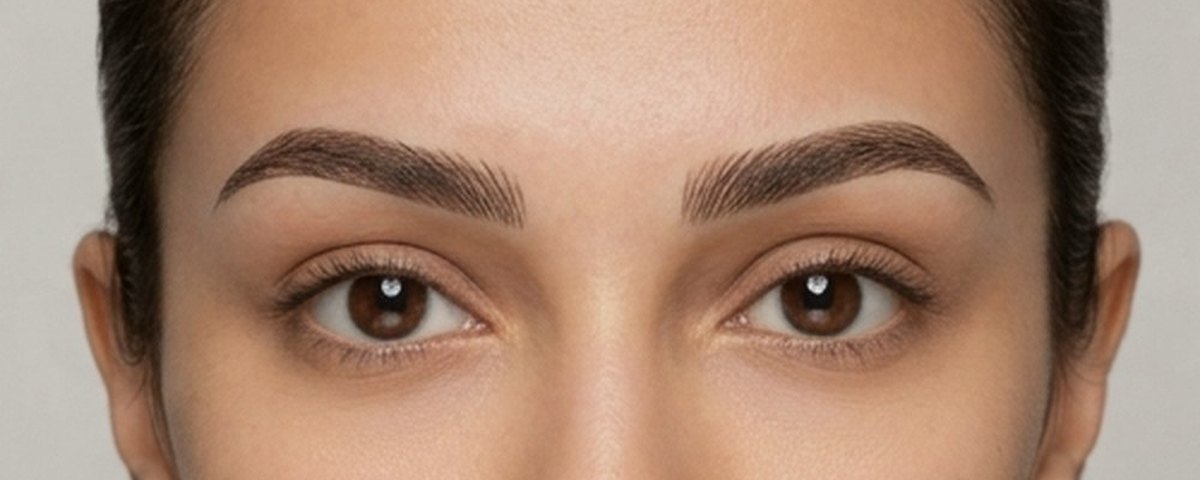
Who does micropigmentation suit?
This is its real advantage: it suits every skin type, making it the most widely suitable technique after the fiber technique. It is my first choice in four situations:
- Oily or combination skin — where the edges of a microblading incision spread and the stroke turns into a faded patch within months.
- A brow with previous work on it — provided the old colour has been lightened or removed sufficiently.
- Anyone wanting longer wear than the three to nine months microblading gives.
- Anyone who dislikes the hairstroke look and prefers a full, clearly framed brow.
For the most natural result possible, the fiber technique remains the closest option: it also suits every skin type, and it is both the longest lasting and the closest to a natural brow. I learned it in Vietnam, and I am the only artist working with it across the Middle East.
Micropigmentation vs microblading
| Micropigmentation | Microblading | |
|---|---|---|
| Tool | Machine with a fine needle | Hand-held blade |
| In the skin | Point deposit, no incision | Fine incision holding pigment |
| Look | Graded fill, defined edge | Individual hairstrokes |
| Skin types | All types | Normal to dry only |
| Over previous work | Yes, after lightening | Not advised |
| Lasts | 1 – 2 years | 3 – 9 months |
| Price | 200 JOD | 180 JOD |
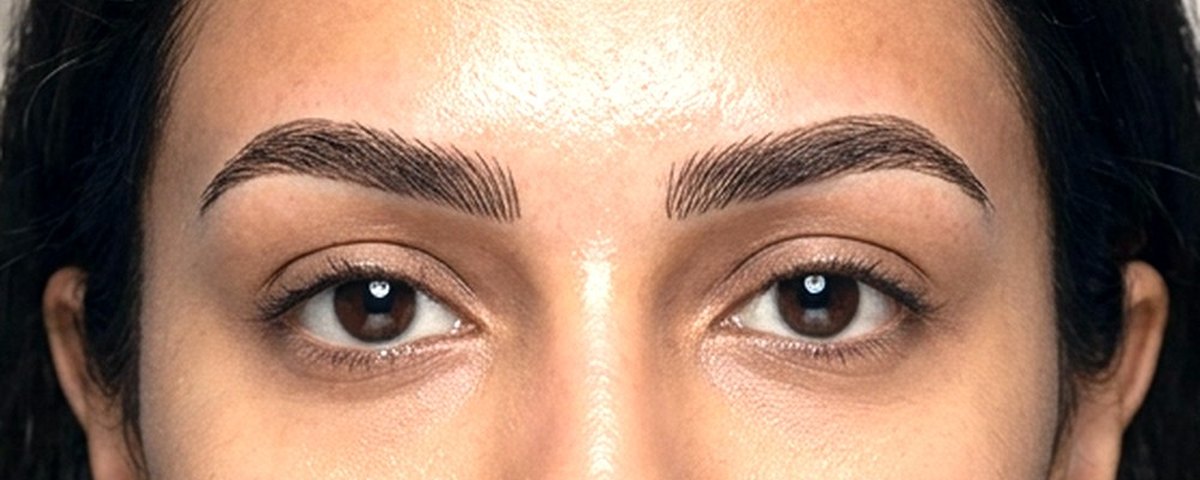
And how does it differ from powder brows and fiber?
| Technique | Look | Suits | Lasts | Price |
|---|---|---|---|---|
| Fiber technique | Fine hairstrokes — the most natural | All types | 1 – 3 years | 250 JOD |
| Micropigmentation | Graded fill with a defined edge | All types · over previous work | 1 – 2 years | 200 JOD |
| Powder brows | Soft shading, like a brow pencil | Oily and larger-pored skin | About a year | 150 JOD |
| Microblading / nano | Individual hairstrokes | Normal to dry | 3 – 9 months | 180 JOD |
In short: powder is softer, micropigmentation is more defined, fiber is the most natural. And choosing between them rests not on taste alone but on your skin type and whether there is previous work on the brow.
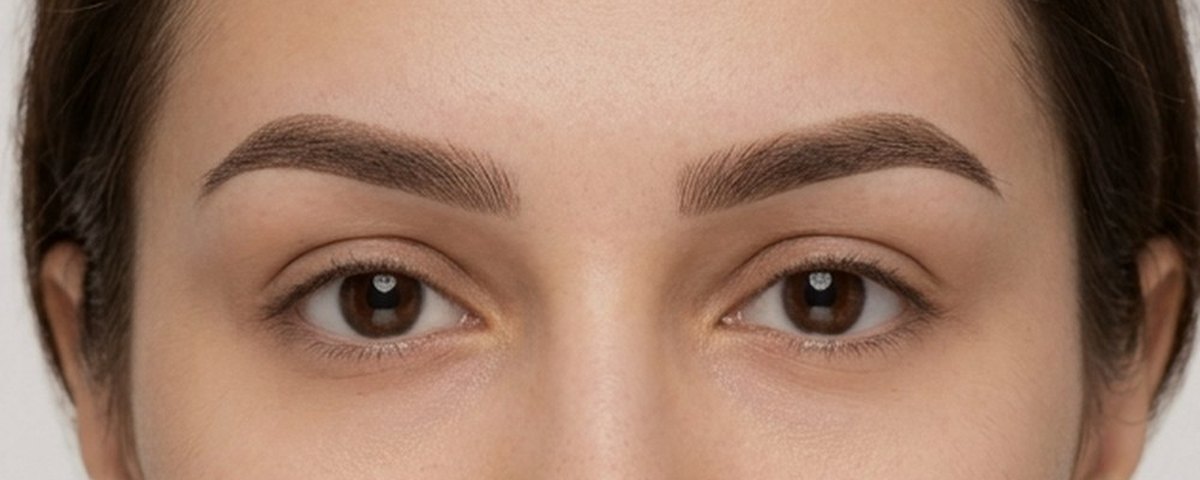
Does it work over an old brow tattoo?
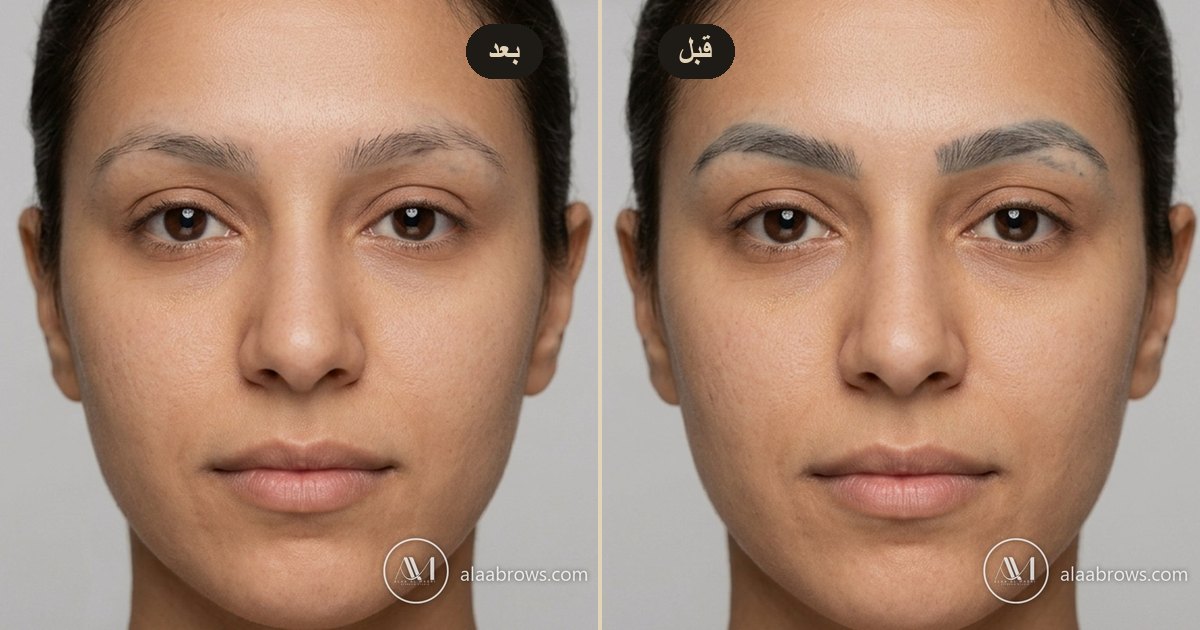
Yes, and it is the most common reason people come to me. But on one condition I do not bend: a new colour is never built over an old colour that has shifted. New pigment does not cancel the old one, it mixes with it, and the result is a shade no one can predict — which is the cause of most of the grey and blue-toned brows I see.
So the work starts with one or more sessions of removal or lightening, then the shape is rebuilt from measurement, and only then is the new pigment applied. It is a longer road, but it is the only one whose result is known in advance.
How long does it last, and why does it vary?
Micropigmentation lasts one to two years. The variation within that range is not random:
- Skin type — oily skin uses up pigment faster than dry skin.
- Sun — the single biggest cause of fading. Sunscreen over the area genuinely extends its life.
- Peels and lasers on the face lighten the colour quickly.
- How fast your skin renews — this differs from person to person and cannot be controlled.
How the session goes
- Consultation and skin assessment — 15 minutes: skin type, hair density and any previous work.
- Design and measurement — 20 minutes: the shape is drawn with a pencil and measured against your facial proportions, then you choose the shade in front of the mirror. Nothing proceeds without your full approval.
- Topical anaesthetic — a medical cream left until it takes full effect. The sensation is usually a light scratch.
- The work itself — 45 to 60 minutes with sterile tools opened in front of you and disposed of immediately after.
- Instructions — 10 minutes, with the right ointment and written aftercare.
- Touch-up session — at 4–6 weeks, to settle colour and density after healing.
Aftercare — half the result is yours
24–48 hours before: avoid caffeine and alcohol for 24 hours before the appointment, stop blood thinners, aspirin and vitamin E after consulting your doctor, no plucking, waxing or tinting for a week beforehand, postpone peels or lasers by two weeks, and arrive with no makeup on the brow area.
For 7–10 days after: a very thin layer of ointment, no direct water on the brow for seven days, and never pick the scabs — picking is the most common cause of colour loss. Avoid pools, the sea, saunas and strenuous exercise for two weeks, no makeup on the brow until peeling is complete, then sunscreen once healed.
When I decline to perform the procedure
During pregnancy or breastfeeding, with uncontrolled diabetes or blood-clotting disorders, where there is inflammation, a wound or eczema in the brow area, or during isotretinoin (Roaccutane) treatment and for six months after stopping. In these cases we ask for your treating doctor's approval first. This information is for general awareness and does not replace medical advice.
In short
Micropigmentation is the answer when microblading is not: oily skin, a brow with previous work, or a wish for longer wear and a sharper edge. And if what you want is the closest thing to a natural brow, the fiber technique is the answer instead.
If you are unsure which is yours, message me with your skin type and whether there is previous work on your brow — and I will tell you honestly which suits you, and which does not.
Have a question about your own brows?
A consultation settles which technique suits your skin and your face — no general rule fits everyone.