
How long does brow tattooing last? The real figures
“Permanent” is a misleading word. No technique lasts forever, and the range runs from 3 months to 3 years depending on the technique and your skin. Here are the real numbers and the reason behind them.
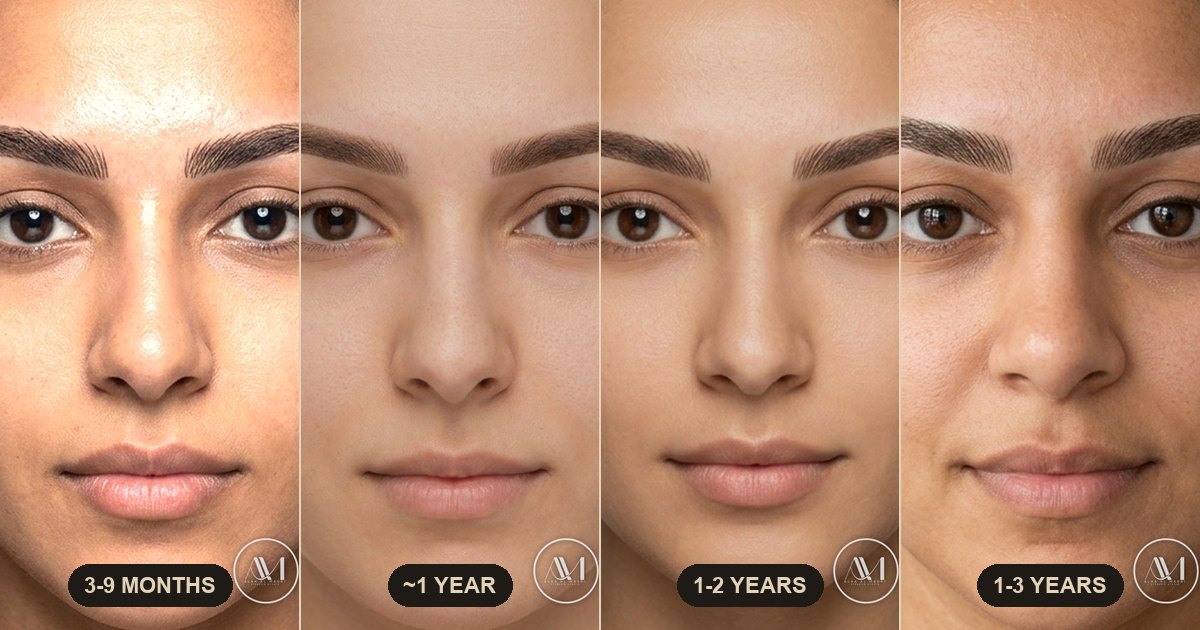
When you ask “how long does it last?”, you are really asking two things: how long the colour stays clear, and when you will need a refresh. The answer varies a great deal between techniques — and that variation is not random.
Duration by technique
| Technique | Lasts | Price (JOD) |
|---|---|---|
| Microblading | 3–9 months | 180 |
| Nanoblading | 3–9 months | 180 |
| Powder brows | About 1 year | 150 |
| Micropigmentation | 1–2 years | 200 |
| Fiber technique | 1–3 years | 250 |
| Lip blush | 2–3 years | 200 |
| Permanent eyeliner | Up to 3 years | 250, both lids |
Why does microblading fade faster than the rest?
Notice the gap: microblading 3–9 months, fiber technique up to 3 years. The reason lies in the shape of the pigment under the skin, not in the quality of the work.
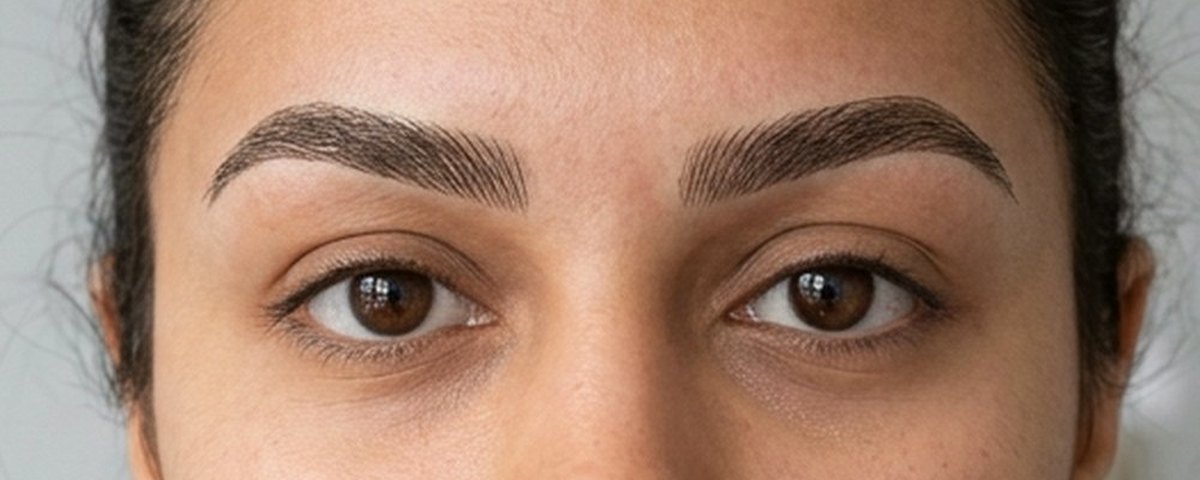
A hairstroke is a fine, shallow line — it holds very little pigment, spread across a narrow area, at a shallower depth. Ordinary fading consumes a large share of that small amount, so the line disappears quickly.
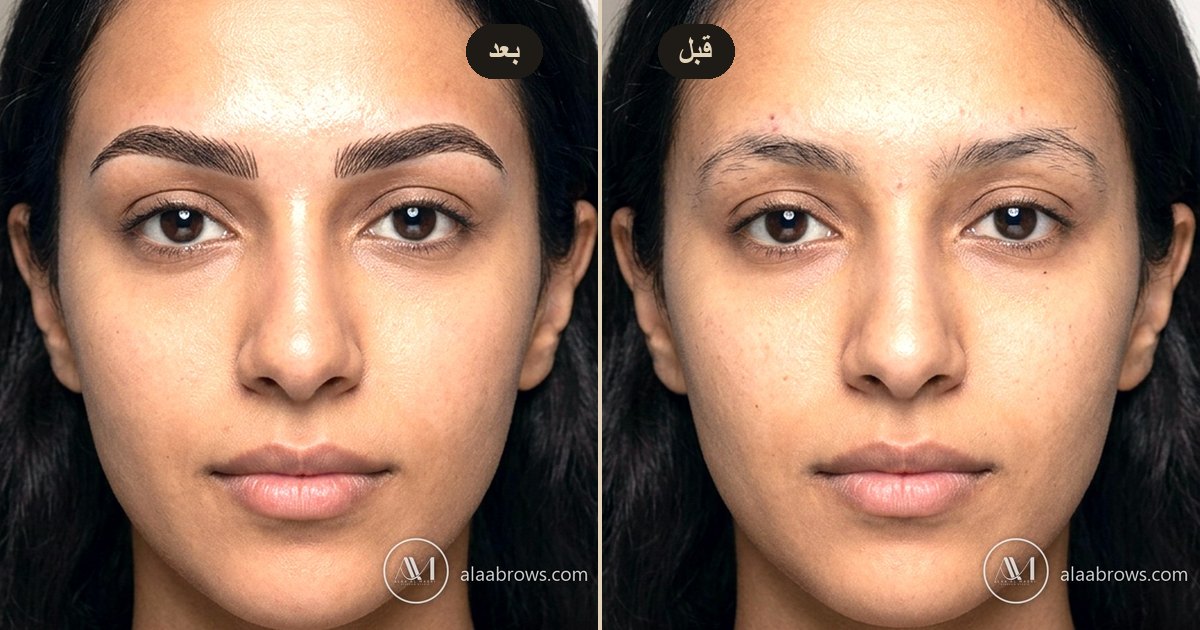
Shading deposits more pigment across a wider area in many small dots. Even after losing 30% of its density the shape still holds and still reads. That is why powder, fiber and micropigmentation last longer.
Why does eyeliner last three years?
Because eyelid skin renews more slowly than brow skin. Cells there turn over at a slower rate, the area gets less sun, and it is not scrubbed with strong cleansers. The pigment simply stays put for far longer.
What shortens the lifespan?
- Oily skin — by far the strongest factor. Sebum pushes pigment out and makes lines spread.
- Sun — UV breaks pigment molecules down. Sunscreen on the brow area once healed genuinely extends the result.
- Chemical peels and retinol — they accelerate cell turnover, which accelerates pigment loss. Keep them off the brow area.
- Picking the scabs after the session — it pulls pigment out with them and leaves permanent gaps.
Does “permanent” mean it never goes away?
No — and that is a feature, not a flaw. Fashions change, facial features change with age, and the shape that suits you today may not suit you in five years. Gradual fading means you get to adjust, rather than carrying one decision for the rest of your life.
What matters is that the fading is gradual and without a colour shift, which is what modern certified pigments do. Older pigments turned blue or red over time — and that is the source of most of the removal cases that reach me.
When do I need a refresh?
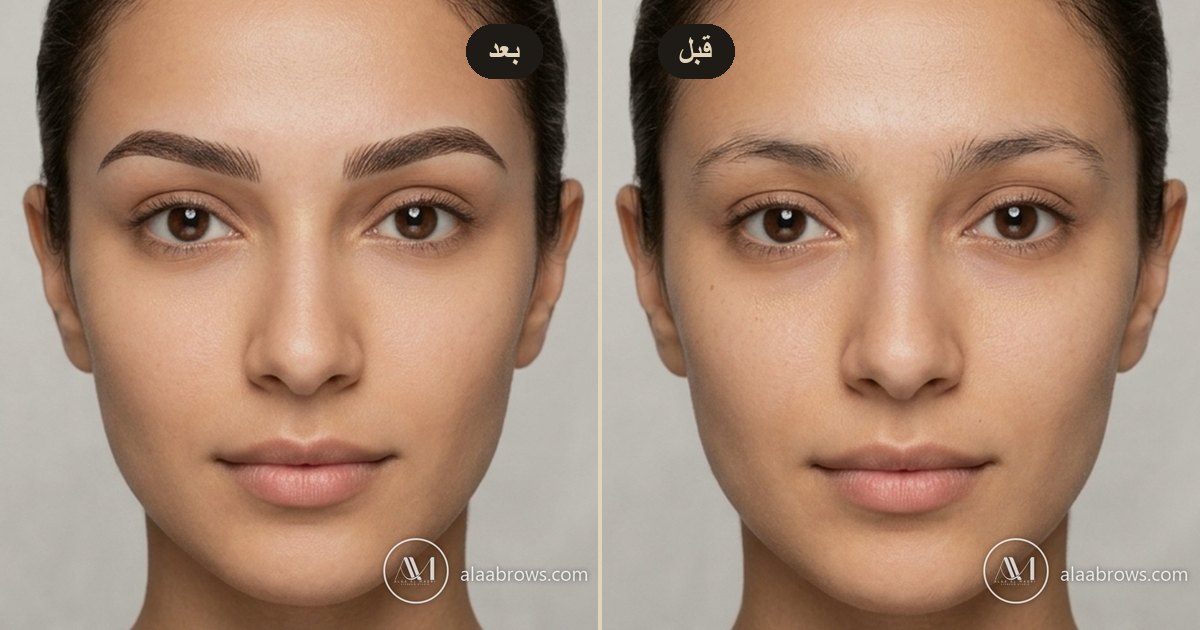
When the colour has lost roughly a third of its intensity, or the shape is no longer clear in daylight without makeup. In practice: around a year for microblading and nano, two years or more for machine techniques. A refresh session is shorter and lighter than the first, because the foundation is already there.
Have a question about your own brows?
A consultation settles which technique suits your skin and your face — no general rule fits everyone.