
What is the fiber technique for brows?
The fiber technique is the finest brow technique there is, the closest to natural and the longest lasting: it is fine hairstrokes drawn one by one, and it suits every skin type. I learned it in Vietnam at its source, and I still travel there every year for advanced training.
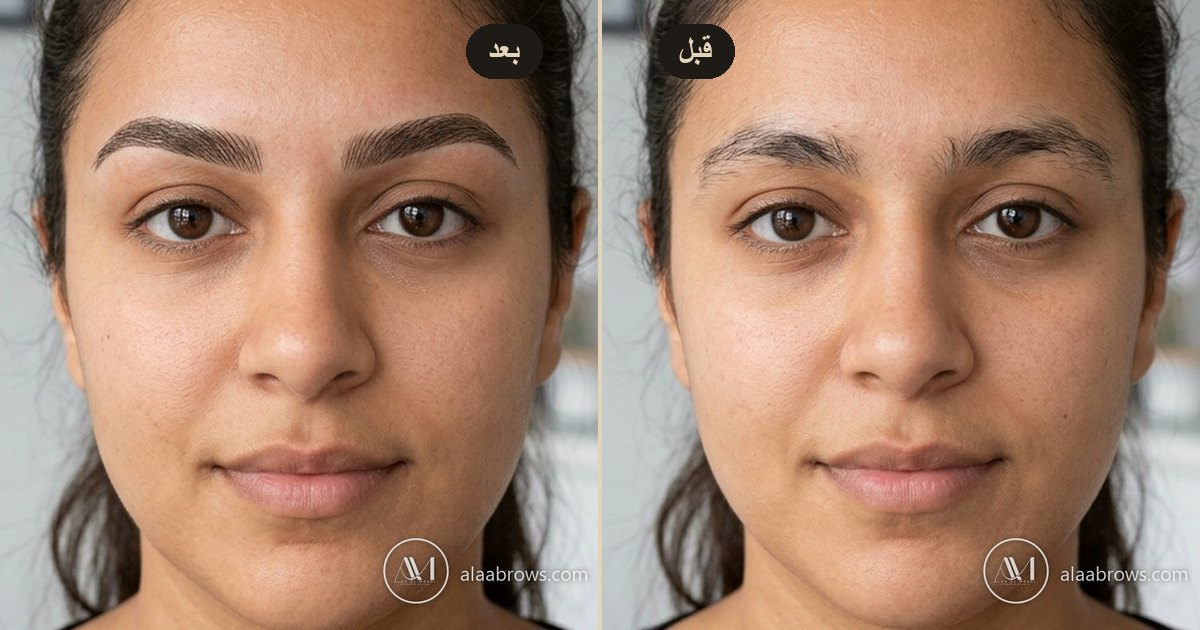
I get this question every day since I brought the technique into the studio: what is the fiber technique, and why is it called the newest? Here is the full explanation, how it compares to what came before, and an honest answer on who it does and does not suit.
What is the fiber technique?
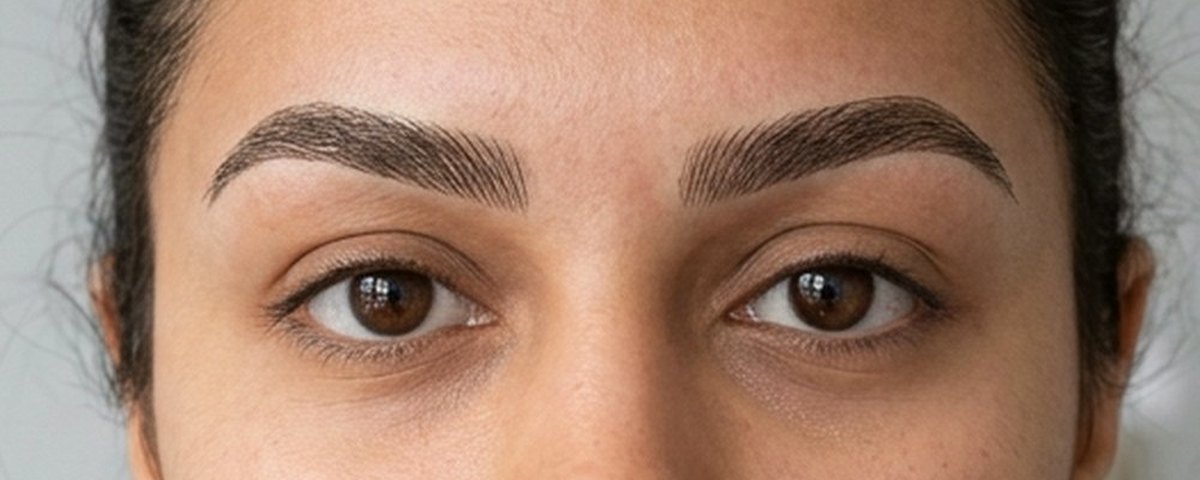
The fiber technique is a permanent makeup method that is built on drawing fine hairstrokes one by one. Each stroke follows the direction the hair grows in that spot: more upright at the front, flatter toward the tail. Hair, not colour spread across an area.
The eye does not see a natural brow as separate lines, nor as a solid block of colour — it sees a blend of both. That is why fiber looks closer to natural than any technique relying on one alone.
Where does this technique come from?
I learned the fiber technique in Vietnam, from specialists there, and I still travel back every year to train. Vietnam is today among the most advanced countries in the world for permanent makeup, and the newest techniques come out of it years before they reach anywhere else.
That is why I travel to Vietnam every year: techniques develop there first, and ongoing advanced training is what keeps the result at its level.
Fiber technique vs microblading
The real difference is what goes under the skin, and everything else follows from it:
- Microblading draws fine lines only, by hand with a blade. A fine line is beautiful but fragile.
- The fiber technique lays down lines and hairstrokes too, but with a tool and a method entirely unlike a hand-held blade: no incision in the skin, so no edge spreads and no line blurs.
That is exactly why fiber lasts longer and serves more skin types.
Does the fiber technique suit oily skin?
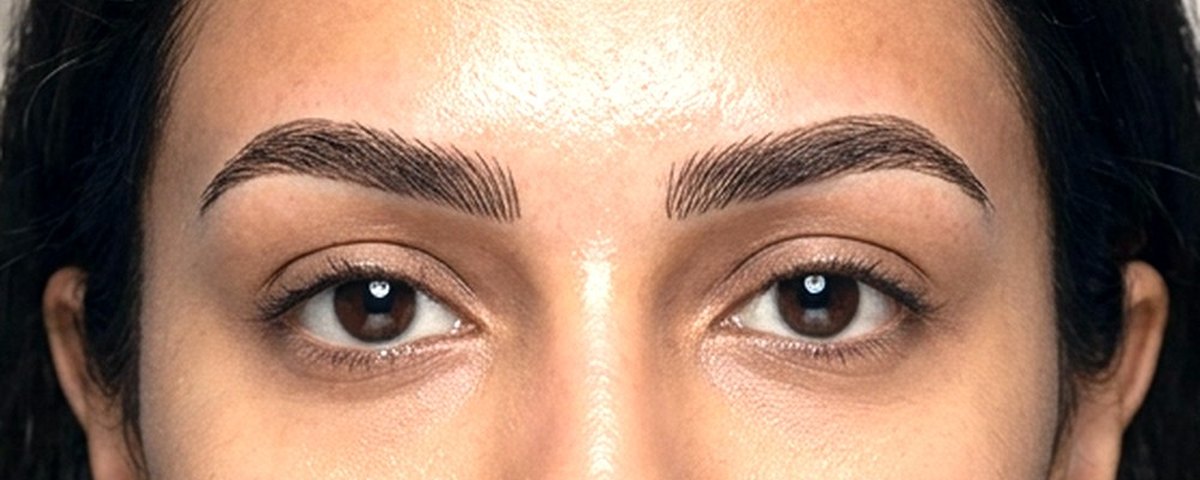
Yes — and this is what sets it apart. Oily skin widens and blurs a fine line, which is why microblading and nanoblading do not suit it. Fiber does not depend on an incision healing, so the stroke keeps its edge even on oily skin.
If you have been told before that strokes are not for you because of oily skin, the fiber technique is the answer. You are not excluded from the look of hairstrokes; you simply need a different technique to create them.
How fiber compares to the other techniques
| Technique | Look | Oily skin | Lasts | Price |
|---|---|---|---|---|
| Fiber technique | Fine hairstrokes | Suitable | 1–3 years | 250 |
| Microblading | Hand-drawn strokes | Not suitable | 3–9 months | 180 |
| Nanoblading | Machine strokes | Not suitable | 3–9 months | 180 |
| Micropigmentation | Machine pigment | Suitable | 1–2 years | 200 |
| Powder brows | Directional hairstrokes | First choice | 1 year | 150 |
Why is fiber more expensive? Because it requires mastery of two techniques rather than one, and a longer session. But it lasts two to four times as long as microblading — so its yearly cost is actually lower.
How long does the fiber technique last?
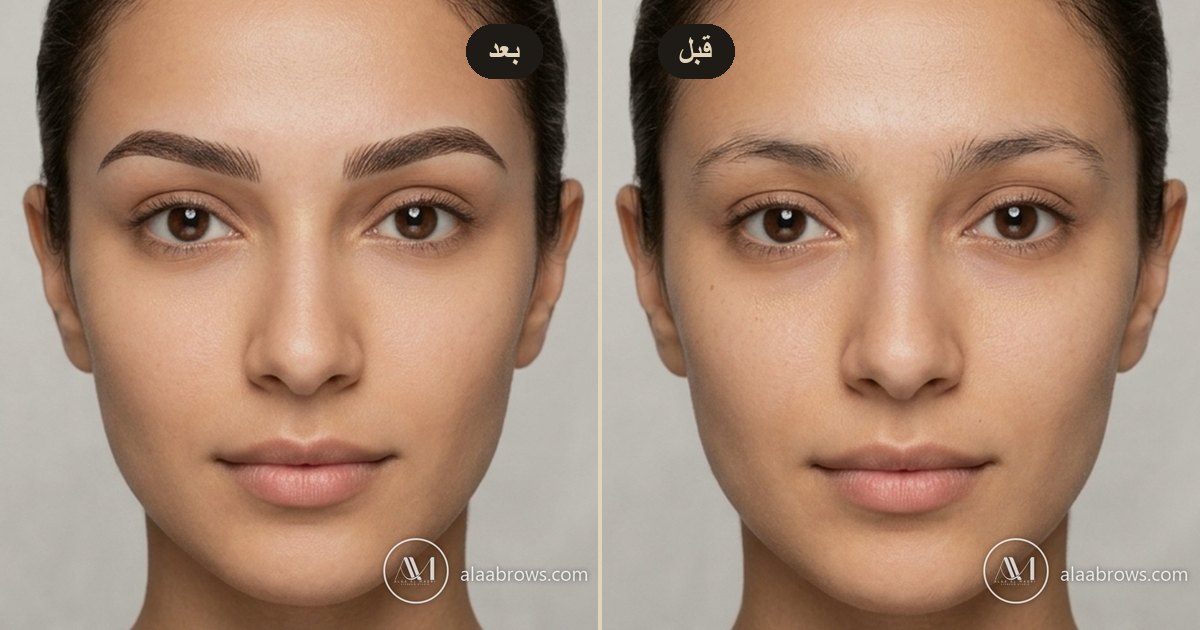
One to three years — the longest of any brow technique. The reason is not pigment quality but how it is placed: a fiber stroke is not set into an incision that heals and then fades at its edges, so it keeps its definition far longer than a stroke made with a hand-held blade.
The exact span depends on skin type, sun exposure and chemical peels. How long each technique lasts and why they differ →
How much does the fiber technique cost in Amman?
At Alaa Al Masri studio in Abdoun: 250 Jordanian dinars, covering the consultation and shape design before we begin. No extra fees.
What happens during a fiber session?
- Consultation and mapping: we identify your skin type and draw the shape measured against your features.
- Your approval first: we do not begin until you see the shape in the mirror and agree to it.
- The work: the hairstrokes one by one, each in the direction of natural growth, with sterile single-use tools.
- The touch-up: a session at four to six weeks to adjust colour and density once healing is complete.
Aftercare
Healing takes seven to ten days, and the rules are the same as for every brow technique: no direct water on the brow for a week, never pick the flakes, no pool, sauna or heavy exercise for two weeks, then sunscreen after healing to protect the colour.
Who is the fiber technique not for?
I do not like selling a technique that does not fit. Fiber is not the first choice in two cases:
- Very oily skin with large pores: powder brows give a more stable result.
- Existing dark or shifted previous work: we correct or remove first, then decide.
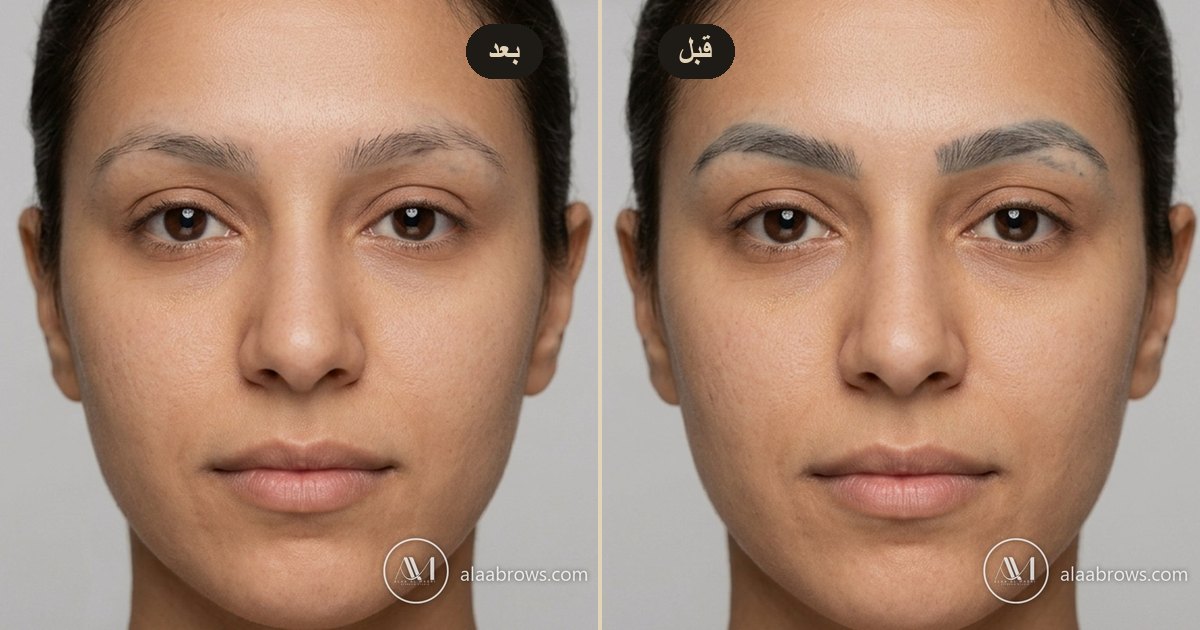
Your skin type and any previous work decide the technique — not preference and not price. That is why every case here starts with a consultation before any decision.
Have a question about your own brows?
A consultation settles which technique suits your skin and your face — no general rule fits everyone.