
Is microblading right for oily skin?
The short answer is no. This is not a matter of opinion or skill — it is a physical reality of how skin holds pigment. Here is why, and what actually gives you a result that lasts.
This is the most common question I get in the studio, and the one I most often see answered wrongly online. Plenty of pages claim microblading “suits everyone”, and some claim nanoblading is “the best choice for oily skin”. Both are false, and here is the detail.
Why microblading does not suit oily skin
Microblading draws an extremely fine line — a synthetic hair roughly the thickness of a real one. That fineness is both the beauty of the technique and its weakness.
Oily skin produces sebum continuously from larger, more active glands, and its pores are wider. When pigment is implanted into that skin, two things happen:
- The oil pushes pigment out — the area loses colour far faster than normal skin does.
- The line spreads — pigment migrates slightly through oilier tissue, so over the following weeks a crisp hairstroke turns into a wide, blurred mark. The result no longer reads as a hair; it reads as a faded smudge.
The same applies to nanoblading. The only difference between the two is the tool — a hand blade versus a machine with a nano needle — but the end result in both cases is a fine line, and a fine line is exactly what oily skin cannot hold. Anyone telling you nanoblading solves this is selling you a session, not a result.
How do I know if my skin is oily?
No test needed. Wash your face with a gentle cleanser, apply nothing afterwards, wait two hours, then look in daylight:
- Clear shine across the forehead and brow area with visible pores — oily skin.
- Shine only in the T-zone with normal or dry cheeks — combination skin, which counts as oily here, because the brow sits inside the T-zone.
- No shine, perhaps a slight tightness — normal to dry, and microblading is on the table.
This is the point most people miss: for brows specifically, combination skin is treated as oily, because the brow sits in the oiliest part of the face.
What works instead
Three options, each working on a different principle from the fine hairstroke:
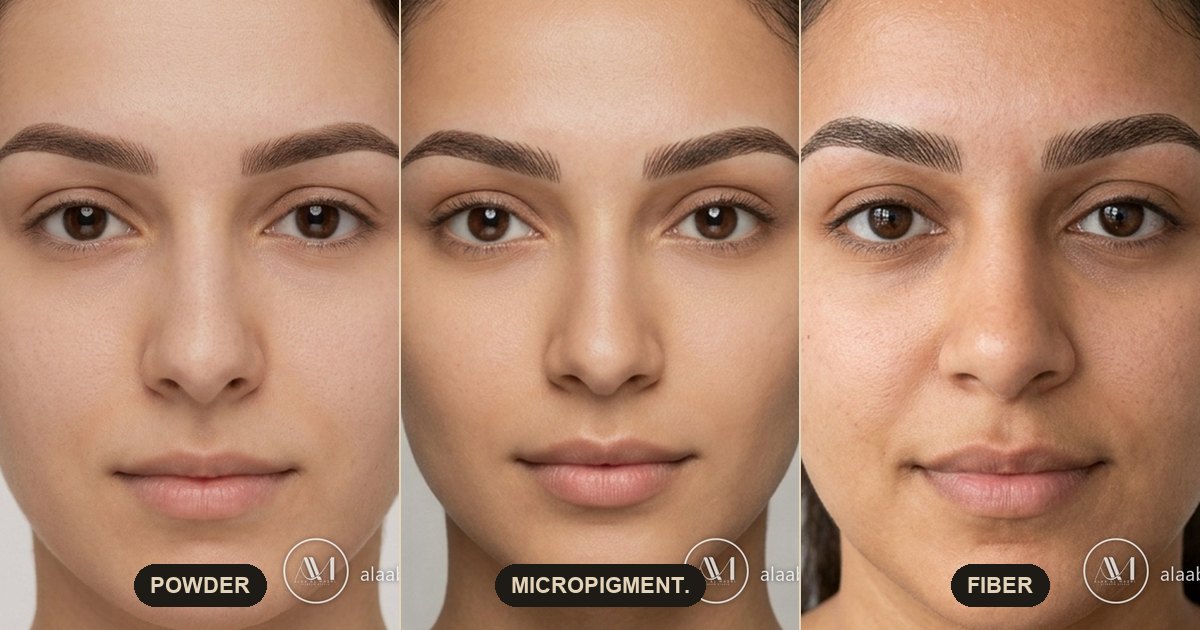
1. Powder brows
Machine shading that scatters pigment in graduated dots rather than lines. Because the base unit is a dot, slight spreading does not distort the shape — it softens it. This is my first recommendation for very oily skin, and it is the least pore-revealing technique. Lasts about a year.
2. Micropigmentation
Pigment implanted into the surface layer with a precision machine, at a density set to your taste (a full explanation of micropigmentation and how it differs). It suits every skin type without exception, and it is the only one of these techniques that can also be applied over older work. Lasts one to two years.
3. Fiber technique
The newest technique, the closest to natural, and the one that suits every skin type best: fine strokes at the front of the brow with a gradient toward the tail. Drawing each stroke in the direction of its own growth is what makes the brow read as hair rather than colour. Lasts one to three years — the longest of all the brow techniques.
| Technique | Oily / combination | Over previous work | Lasts |
|---|---|---|---|
| Microblading | Not suitable | Not suitable | 3–9 months |
| Nanoblading | Not suitable | Not suitable | 3–9 months |
| Powder brows | First choice | Case by case | ~1 year |
| Micropigmentation | Suitable | Suitable | 1–2 years |
| Fiber technique | Suitable | Case by case | 1–3 years |
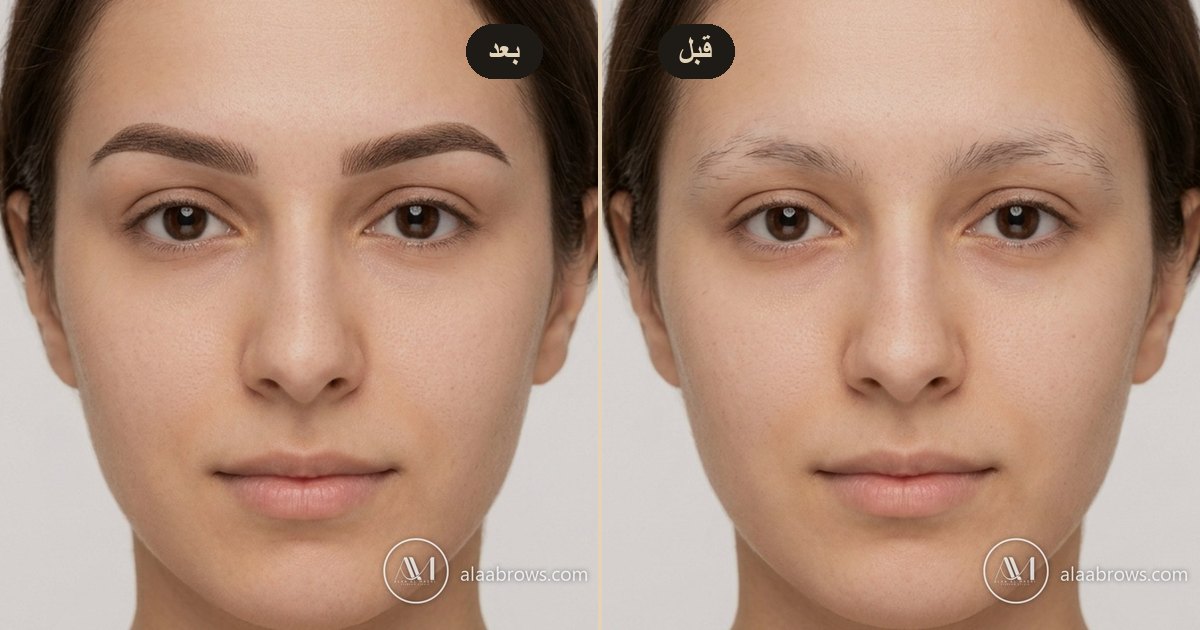
What if I already have work on my brows?
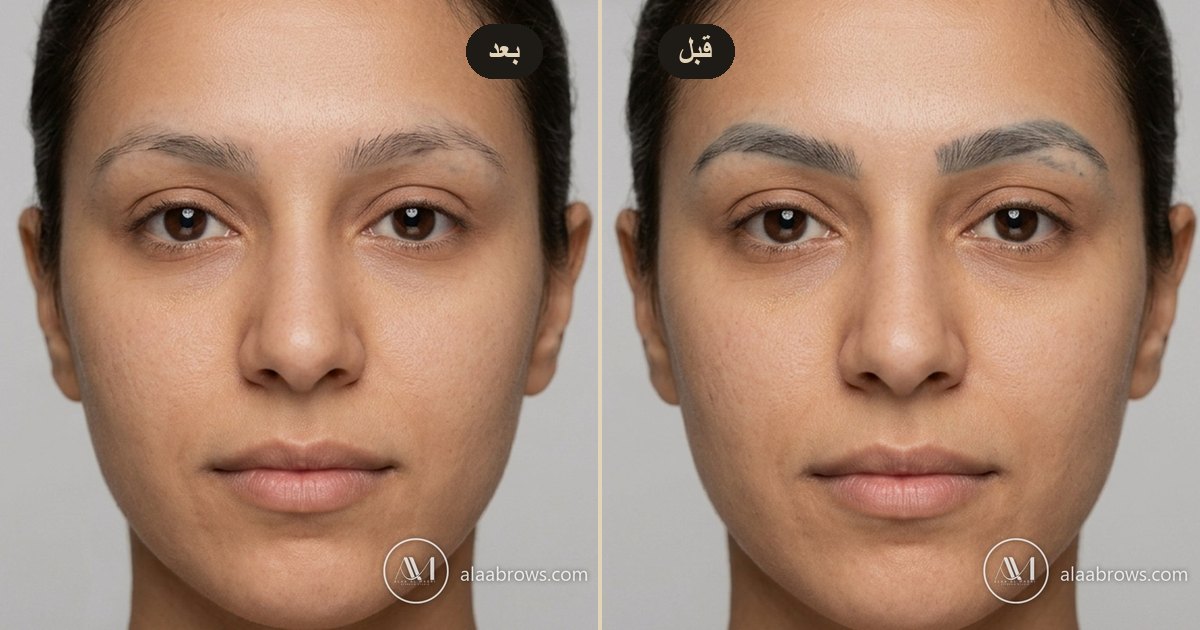
Then microblading and nanoblading are out regardless of skin type. The options are:
- If the old colour is light and even — micropigmentation directly over it to correct the shape.
- If it is dark, or has turned blue or red — removal or lightening sessions first, then rebuild.
Either way I ask for a clear daylight photo before booking, and I tell you honestly whether it can be corrected in one session or needs stages.
In short
Microblading is an excellent technique — within its limits: normal to dry skin, on a brow with no previous work. Outside those two conditions you are paying for a result that fades within months, or settles into a shape you did not want.
Every consultation I do starts by reading your skin type before any talk of technique. And if your skin does not suit what you came in asking for, I will say so — a failed result costs me more than it costs you.
Have a question about your own brows?
A consultation settles which technique suits your skin and your face — no general rule fits everyone.